
If you are looking to buy a lens for a DSLR camera to shoot video with, there are a few things that are
worth looking out for.
First question: Prime or Zoom?
The answer to whether to buy a prime or a zoom lens, really depends on the type of work you do. Although we would all love to shoot everything on primes, with a tiny depth of field and fantastic quality optics, how realistic is this? For certain jobs, there is the time to change lenses, a camera assistant to help out and speed the process along, and for other jobs there is no time. As your rig grows, it is easy to end up with a matte box or flare hood, an ND fader, a follow focus etc etc and all of this kit slows down the amount of time it takes to change a lens.
Imagine setting up an interview on a 50mm lens and the director asks you to punch in a bit tighter, you can either reset your tripod moving forward and re bubble it, or change to another lens – some shoots there is time for this, and some not. I find having the flexibility to move in a touch, often mid interview, to show some emotion on the interviewees face or just add a cutting point, is a big help for a large chunk of the work I do. A standard zoom such as Canon’s EFS 17-55mm for the 7d or the EF 24-70 for the 5d would be my first choice for lenses. Both of these lenses are nice and fast (2.8 throughout the range). If you are willing to sacrifice a bit on the speed of the lens you could get the 24-105mm. You gain a bit of extra length here, but the sacrifice is dropping down to a slower 4f throughout the range. Two of these lenses are stabilised and one isn't (the 24-70 isn't) However, the 24-70 is 2.8 so nice and fast and I really like that range for shooting handheld (rather than the wider 17-55) so I end up using it alot anyway.
Canon EF 24-70mm
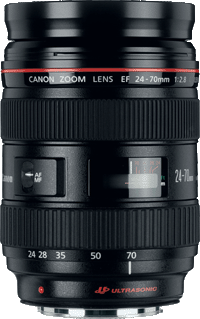


Pros:
Fast 2.8f
Good range 24-70 is really nice for handheld
Cons:
More expensive than the 2 medium zooms below
No image stabilisation.
Canon EFS 17-55mm
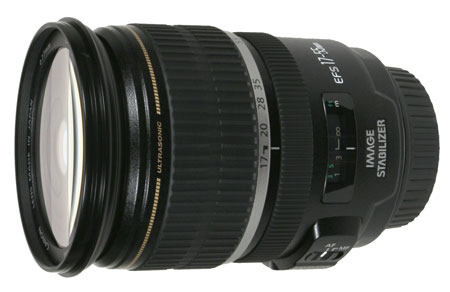
Pros:
Image stabilised
Fast at 2.8f
Cons:
Not L series - slightly plastic feel and not weather sealed.
Canon EF 24-105mm F4
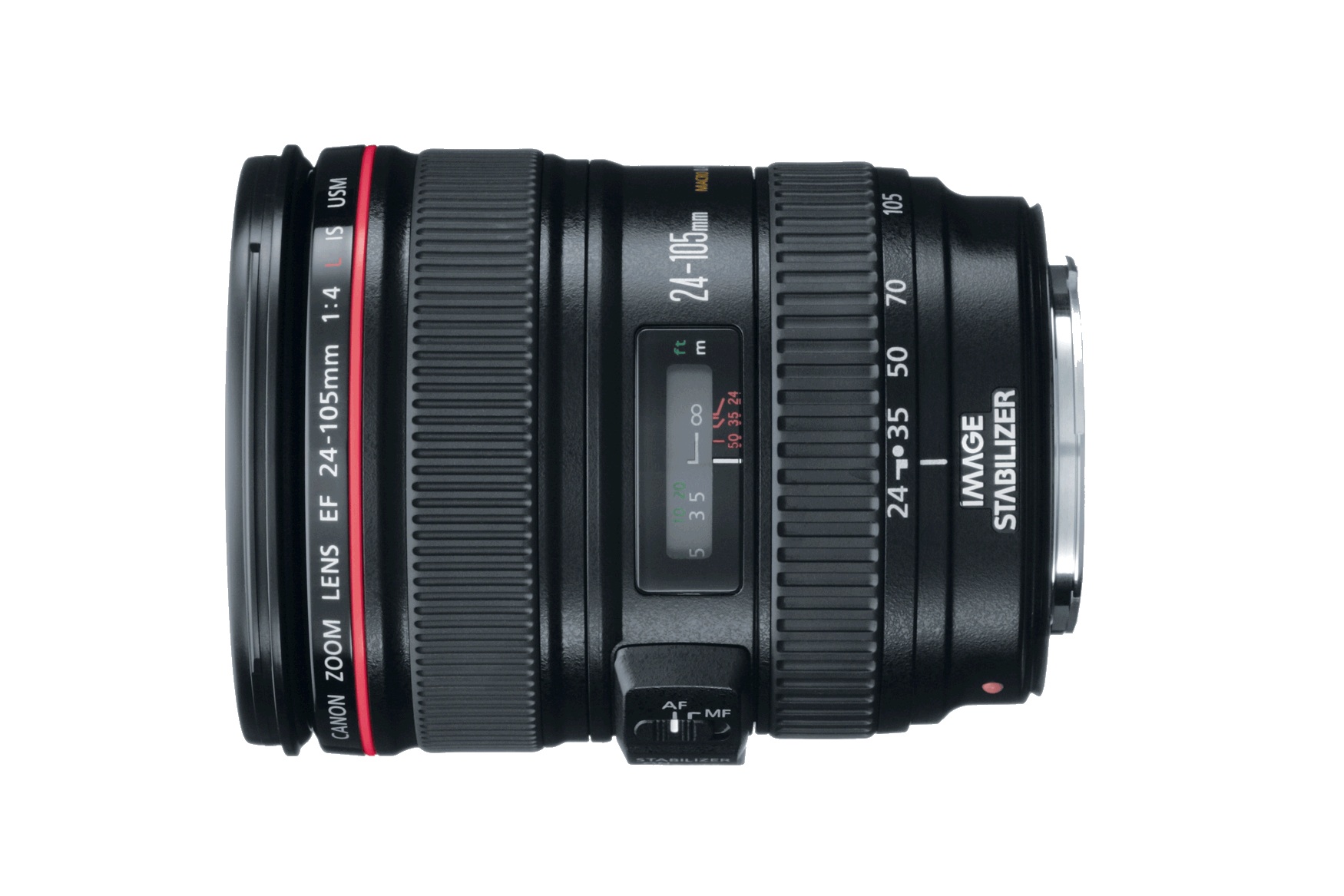 Pros:
Pros:
Weather sealed L series
Image stabilised
Large range
Cons:
Slower at 4f
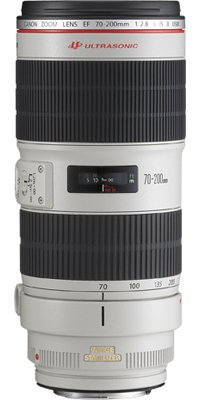
Ok, so you have your 17-55mm or 24-70mm or 24-105mm standard zoom, this is a great start but if you do the kind of work that involves a lot of interviews, I find 80mm (which is roughly what you’re looking at with the 17-55 on the long end with the 1.6 crop factor) is not quite long enough. More on crop factors and lens size comparison here. For a standard MCU (medium close up) in an interview you need to bring the camera too close to the interviewee. Having a camera right in someone face, if they are not used to being interviewed, can be uncomfortable for them.
Should I just buy a cheaper zoom lens?
There are a few issues with lenses as you go down the price range. Firstly, they are slower with apertures around the 4.5 to 5.6 mark, this means they are not as great in low light and don’t have such a narrow depth of field. Secondly, the build quality isn’t as good, often the cheaper lenses are in plastic casing rather than metal. Thirdly, and most importantly for shooting video, the aperture changes throughout the zoom range. Imagine you are shooting a tight shot on the long end of the lens, and then you zoom back for a wide and you’ll be pretty over exposed. This probably isn’t an issue for a photographer, but it could be if you are shooting video. The next point is a bit of a killer. If you take a zoom lens, zoom in to the subject and make sure it is sharp, then go back to your wider shot on some lenses the focus point will have shifted slightly. This is a disaster from a DSLR video point of view. With a broadcast lens this aberration can be easily fixed with a backfocus chart, this is not the case with a stills lens. You can of course avoid checking focus in this manner by using the digital zoom on your camera, but – and it is a big but - not if you are already rolling (at least not if you are shooting on a Canon DSLR). If you are shooting with a sound recordist and you synch up your camera to their external recorder, once you are rolling that is it, you can’t cut, and you can’t use your digital zoom. (This aberation is very common on stills lenses, even at the higher end of the price range.) Cheaper lenses usually aren't weather sealed as well as the 70-200 above, so if you are shooting in the rain it could get damaged. There is also the issue with the focus ring. Many cheaper lenses have a build quality that works for photographers taking photos with auto focus. When you are shooting video, you obviously need to use the focus ring manually, and I find that cheaper lenses don't funtion quite as well here, just a tiny nudge on the focus ring and the shot will drift out of focus, whereas the more expensive lenses are just a bit more solid, as they lens manufacturers expect the focus rings to be used manually.
My advice would be, if you can afford the more expensive 70-200 lens, get it, and if not buy the cheaper 70-300 IS, but be aware of its limitations, you can still get good results with this lens, the glass is still good quality and you will still get great images, but be aware of its problems. In between these options there are other choices: you can get a 70-200 that still has image stabilisation and it still has a constant maximum aperture through the range, but it is 4f not 2.8f. This is a good option as it is almost half the price of the 70-200L 2.8IS.
So now you have a standard zoom and a long zoom, you are well set up to shoot most situations, but you want to add a nicer look to your work, so you want a prime. The first prime I would buy without a shaddow of a doubt would be a 50mm. 50mm lens are great, especially on DSLRs such as the 7d with a 1.6 crop, or cameras with a super 35 sensor sizes. They are also very well priced compared to all other primes. For the same money as you pay for a 85 a 35 a 28 or whatever, the 50mm will pretty much always be faster and this is true across all the manufacturers. So what 50mm to buy? As everyone is on a different budget, here are a few options.
Option 1, top end:
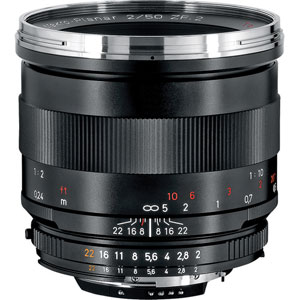 Zeiss ZE or ZF 50mm 1.4f:
Zeiss make superb lenses. If you have the cash, this is the one to go for. The ZE is a Canon mount, the ZF a Nikon. The Nikon can be adapted to shoot on a Canon mount and the advantage of this is that the Nikon has an iris wheel. There are companies that will declick this for you, giving you a great video lens.
Option 2, Mid range:
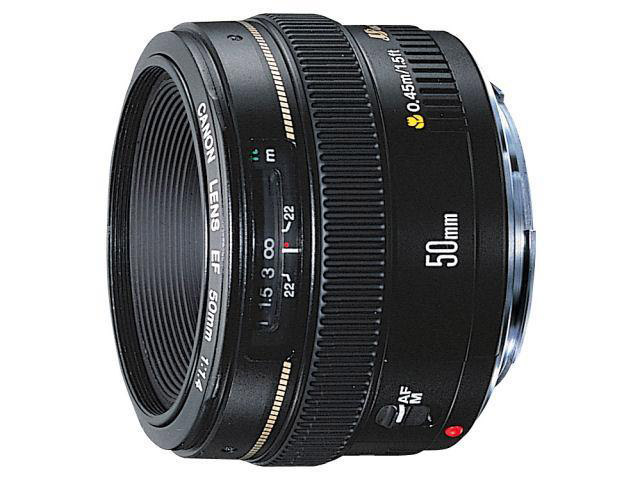 Canon 1.4f
This is a really nice fast 50mm lens and a great price.
Option 3, budget:
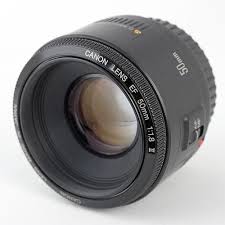 Canon 1.8f
If you are on a limited budget, then this is a great option. The only slight issue I have with this is that the focus wheel is tiny. This lens has been designed with the auto focus system in mind. That said it is certainly a bargain.
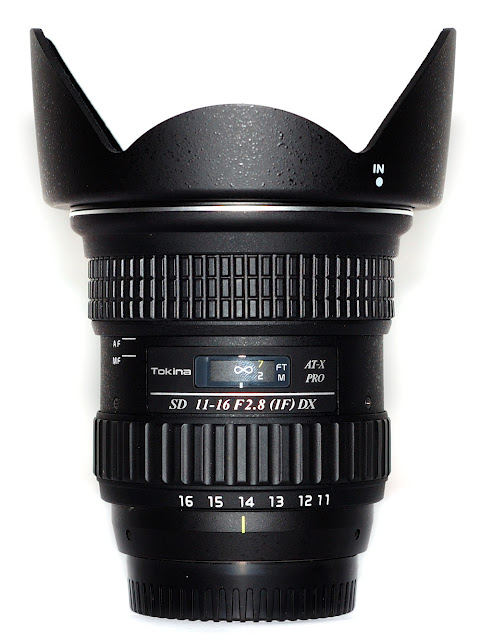
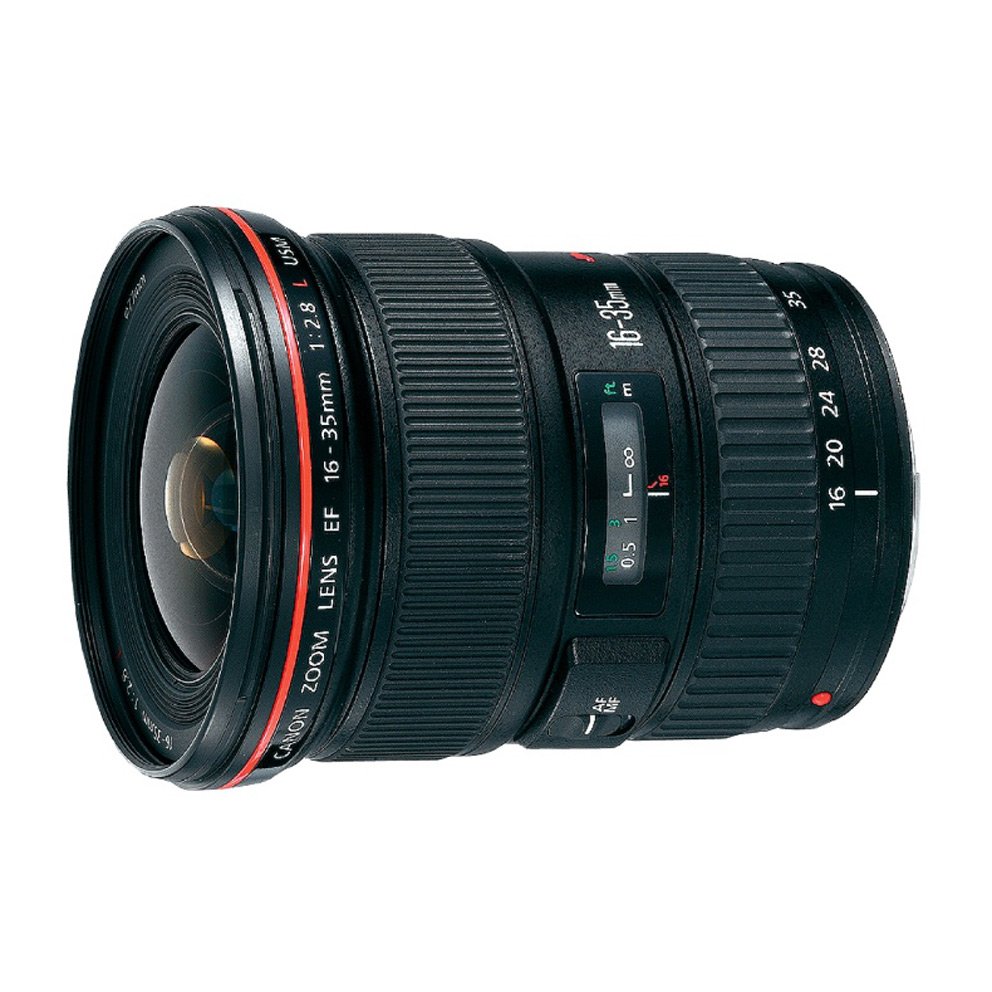
The next lens to look at is probably a wide zoom. The mid range zooms discussed at the begining are really not super wide. I am a big fan of the Tokina 11-16mm for Super 35mm sensor cameras or APSC chips (this would include the 7d) or if you have a full frame 1D or 5D then a Canon 16-35mm.
Tokina 11-16mm (NB for APSC sensor 7D etc NOT FULL FRAME)
Canon 16-15mm (for 5d or 1d)
So, in answer to the original question, as to whether to buy primes or zoom lenses, the answer is, you may need both. If you generally shoot in situations where there is enough time to frequently change lenses, primes are great. Generally speaking, primes are built with less glass meaning they allow more light in, they tend to be better in lower light and have a smaller depth of field when wide open. Even if you work on projects that are relatively quick moving, getting a few establishing shots on a 50mm at 1.4 will give you some stunning small depth of field shots, and really add some value to your work, but is likely to be used less often that a standard zoom. I tend to put my standard zoom on the camera and leave it there for 70 percent or more for the shoot, so this is where I don't mind investing some money.
One last point to note. Lenses hold their value very well as you can easily see from Ebay. If you buy a lens it is worth investing in the best optics you can afford. If you decide later it is not the right lens for you, you can always sell it and you probably won't lose much money.
There is more geeky lens chat on the equipment page.
You may also be interested in:
What is the best zoom lens for DSLR and video cameras.